

IDO1 Inhibition Enhances CLDN18.2-CAR-T Cell Therapy in Gastrointestinal Cancers by Overcoming Kynurenine-Mediated Metabolic Suppression in the Tumor Microenvironment
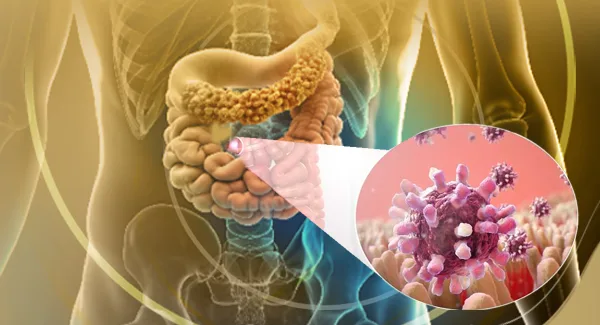
Chimeric antigen receptor (CAR)-T cell therapy has revolutionized the treatment of hematologic malignancies, yet its application in solid tumors, particularly gastrointestinal (GI) cancers, remains limited. The primary challenges include poor CAR-T cell infiltration, antigen heterogeneity, and the immunosuppressive tumor microenvironment (TME). One key driver of immunosuppression in GI tumors is indoleamine 2,3-dioxygenase 1 (IDO1), a […]
Pooled Safety Analysis from the VOLTAIRE Clinical Trials of Adalimumab Biosimilar and Reference Product in Patients with Rheumatoid Arthritis, Crohn’s Disease, and Chronic Plaque Psoriasis

Adalimumab, a monoclonal antibody targeting tumor necrosis factor-alpha (TNF-α), has sparked a revolution in the treatment of autoimmune diseases such as rheumatoid arthritis (RA), Crohn’s disease (CD), and chronic plaque psoriasis (PsO). The biosimilar versions of adalimumab, designed to be highly similar to the reference product (RP) in terms of structure, pharmacodynamics, and clinical efficacy, […]
The Effect of Insulin Degludec Versus Insulin Glargine U100 on Glucose Metrics Recorded During Continuous Glucose Monitoring in People with Type 1 Diabetes and Recurrent Nocturnal Severe Hypoglycemia

Abstract Type 1 diabetes (T1D) management requires a delicate balance between maintaining optimal glycemic control and minimizing the risk of hypoglycemia. Basal insulin therapies, such as insulin degludec (IDeg) and insulin glargine U100 (IGlar-100), are widely used to provide stable blood glucose levels. This study compares glucose metrics recorded during continuous glucose monitoring (CGM) in […]
Comprehensive Review: Lentivirus-Modified Hematopoietic Stem Cell Gene Therapy for Advanced Symptomatic Juvenile Metachromatic Leukodystrophy (MLD) — A Long-Term Follow-Up Pilot Study

Metachromatic leukodystrophy (MLD) is a rare, inherited lysosomal storage disorder caused by a deficiency of the enzyme arylsulfatase A (ARSA). The absence of ARSA leads to the accumulation of sulfatides in the central nervous system and peripheral tissues, which causes progressive damage to the white matter of the brain and spinal cord, resulting in severe […]
Pembrolizumab: A Comprehensive Review of Its Clinical Application and Therapeutic Potential

Introduction Pembrolizumab, a monoclonal antibody that uniquely targets the programmed cell death protein 1 (PD-1) receptor, has emerged as a pivotal player in the field of immuno-oncology. Since its landmark approval in 2014, pembrolizumab (Keytruda) has been a game-changer in the treatment landscape of various cancers, including melanoma, non-small cell lung cancer (NSCLC), and Hodgkin […]
Erythropoietin Therapy in Chronic Kidney Disease: The Role of Epolix in Anemia Management and Cardiovascular Risk Reduction
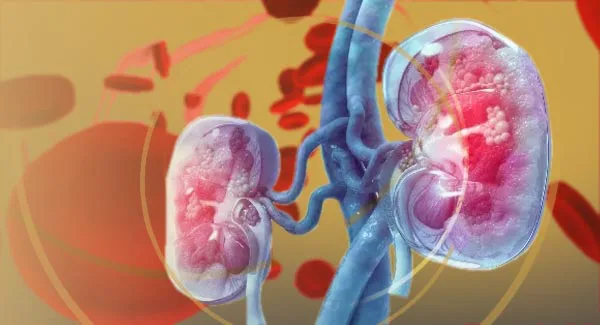
Abstract Chronic kidney disease (CKD) is a progressive disorder that significantly affects erythropoiesis, leading to anemia due to insufficient endogenous erythropoietin production. Anemia in CKD is associated with increased cardiovascular risk, higher mortality rates, and decreased quality of life. Epolix (Erythropoietin Alpha) is a recombinant human erythropoietin formulation designed to stimulate red blood cell production […]
The Impact of Biosimilar Insulin Glargine on Market Prices and Patient Access: A Decade of Trends and Implications

Introduction: The Global Diabetes Crisis and the Role of Insulin Glargine Diabetes mellitus, both Type 1 and Type 2, has become one of the most significant public health challenges worldwide, often referred to as the ‘Global Diabetes Crisis ‘. With a growing prevalence, diabetes requires long-term management, usually centered on insulin therapy. Among the various […]
Anti-Correlation of KLRG1 and PD-1 Expression in Human Tumor CD8 T-Cells: A Major Breakthrough in Immunotherapy

Recent advancements in immunotherapy have brought tumor-infiltrating CD8 T-cells to the forefront of cancer research. Among these developments, a groundbreaking study has highlighted a significant anti-correlation between killer-cell lectin-like receptor G1 (KLRG1) and programmed cell death protein 1 (PD-1) expression. This finding opens a new chapter in understanding immune dynamics within the tumor microenvironment (TME) […]
Advancing Oncology in the GCC: Challenges, Achievements, and the Path Forward
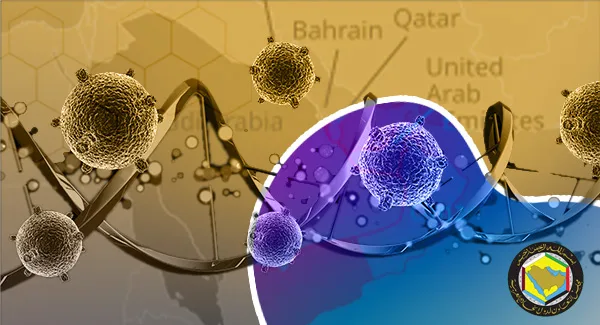
Introduction Cancer remains a significant public health challenge worldwide, and the Gulf Cooperation Council (GCC) countries—including Bahrain, Kuwait, Oman, Qatar, Saudi Arabia, and the United Arab Emirates—are no exception. Despite notable advancements in healthcare infrastructure and cancer treatment, the GCC faces unique challenges requiring tailored strategies. However, there are emerging opportunities in oncology in the […]
Global Challenges and Innovations in Rheumatoid Arthritis (RA) Treatment: An Updated Overview
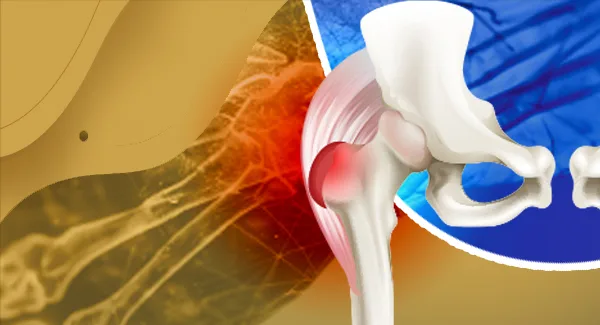
Rheumatoid arthritis (RA), a chronic autoimmune condition affecting approximately 17.6 million people globally, continues to challenge healthcare systems due to its complex pathogenesis, rising prevalence, and high economic burden. Despite advancements in treatment modalities, significant barriers remain in achieving optimal patient outcomes worldwide. This article explores the global challenges in RA management, provides a regional […]